
August 14, 2026
How to Style Women’s Dresses for Every Occasion
Learn how to style women’s dresses for casual days, work, special occasions, and evenings with simple tips for layering, accessories, footwear, and more.
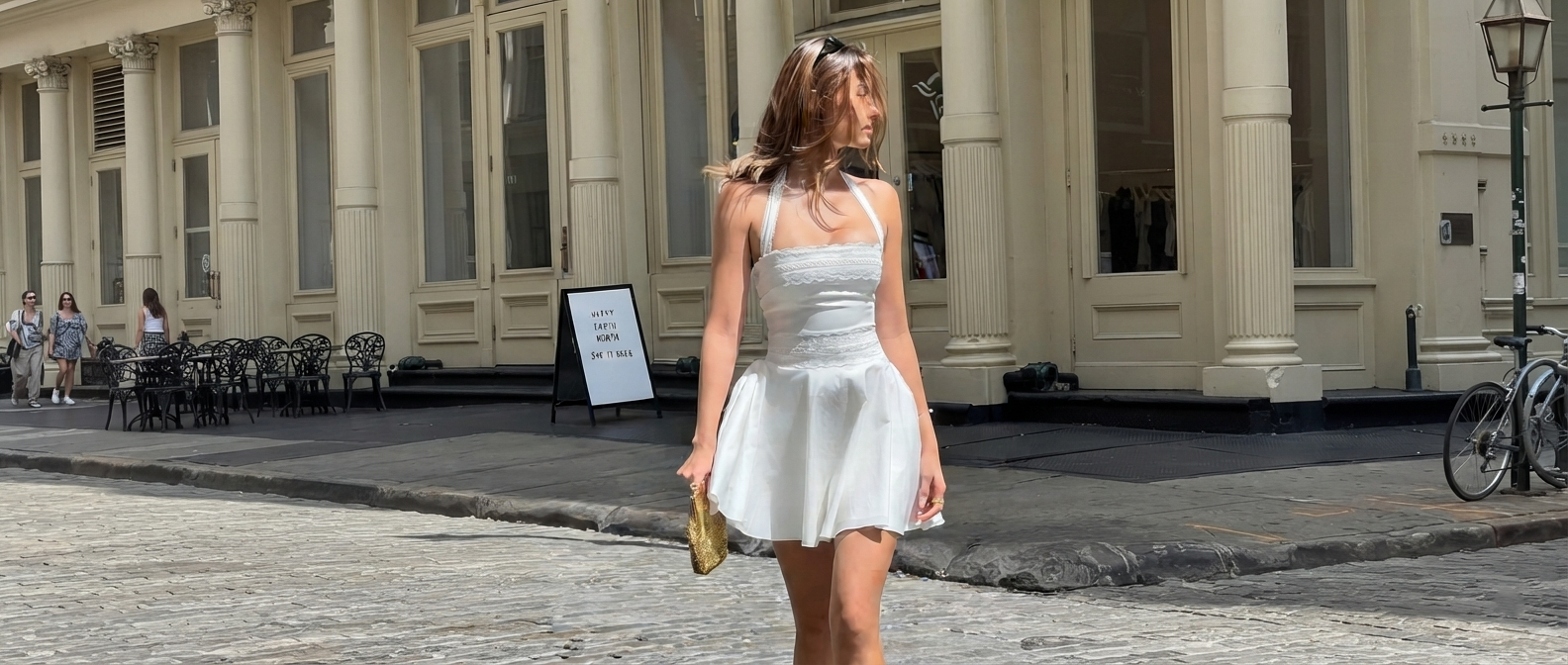
A well-chosen dress can make getting dressed simple while still creating a polished and confident look. From relaxed daytime outfits to elegant evening styles, women’s dresses offer endless possibilities for personal expression. The right styling choices can transform the same dress into completely different looks depending on the occasion, season, and accessories.
Whether you prefer casual midi dresses, feminine maxi styles, sophisticated silhouettes, or effortless everyday designs, learning how to style dresses gives you more flexibility from your wardrobe. Instead of purchasing a different outfit for every event, you can create multiple looks by changing your shoes, accessories, layers, and styling details.
Why Dresses Are a Wardrobe Essential
Dresses are among the most versatile pieces in women’s fashion because they combine several elements of an outfit into one garment. A dress can provide a complete foundation while leaving plenty of room for accessories and layering.
Another advantage of dresses is their adaptability. Depending on the design, fabric, and styling, one dress can work for casual weekends, office settings, dinner dates, celebrations, vacations, and other occasions. Choosing versatile silhouettes can help you build a wardrobe that is both practical and stylish.
How to Style a Dress for a Casual Day
Casual dressing does not mean sacrificing style. For everyday activities, focus on comfortable fabrics, relaxed silhouettes, and practical accessories. A simple midi dress or casual short dress can become an effortless daytime outfit with minimal styling.
Choose Comfortable Footwear
Sneakers, flat sandals, loafers, or other comfortable shoes can instantly create a relaxed appearance. The right footwear can also change the personality of a dress. A feminine dress paired with simple sneakers, for example, can create a modern contrast between polished and casual elements.
Add a Practical Bag
A shoulder bag, crossbody bag, or roomy tote can complement a casual dress while remaining practical for everyday activities. Consider choosing a bag in a neutral color if you want an accessory that works with multiple outfits.
Style Tip: For an effortless casual outfit, combine a simple dress with comfortable shoes, a practical handbag, and minimal jewelry.
Styling Dresses for the Workplace
A dress can be an excellent choice for a professional wardrobe when the silhouette, length, fabric, and styling are appropriate for your environment. Structured midi dresses, elegant shirt dresses, and understated designs can create a polished appearance without feeling overly formal.
Layering can also make a dress more suitable for professional settings. A tailored blazer or refined cardigan can add structure while providing additional coverage. Neutral accessories and polished footwear can complete the outfit without distracting from the overall look.
Keep the Look Refined
When dressing for work, consider clean lines and balanced proportions. Avoid combining too many statement elements in one outfit. If the dress has a distinctive pattern or silhouette, keep the remaining accessories relatively understated.
How to Style a Dress for Dinner or an Evening Out
Evening occasions provide more opportunities to experiment with sophisticated details. A simple dress can become an elegant evening outfit by adding refined accessories, polished footwear, and a more structured handbag.
Jewelry is particularly useful for creating an evening look. Statement earrings, a delicate necklace, or a bracelet can add visual interest without requiring a completely different dress. Choosing accessories that complement rather than compete with the dress usually creates the most balanced result.
Use Layers to Change the Look
A lightweight jacket, tailored blazer, or elegant cardigan can make a dress feel completely different. Layering is also useful when temperatures become cooler during an evening event.
How to Style Dresses for Special Occasions
Weddings, celebrations, parties, and formal gatherings often call for a more elevated approach to styling. The dress itself may be more detailed, but accessories and footwear remain important parts of the overall outfit.
When choosing a dress for a special occasion, consider the dress code, venue, season, and time of day. Elegant fabrics, refined silhouettes, and sophisticated details can create a memorable appearance while still allowing you to feel comfortable throughout the event.
Balance Statement Details
If your dress features an eye-catching print, embellishment, or distinctive neckline, consider keeping your accessories simple. Alternatively, a minimal dress can provide an excellent foundation for statement jewelry or an elegant handbag.
How to Style Dresses in Different Seasons
Dresses are not limited to one season. With thoughtful layering and accessories, many styles can be worn throughout the year. The key is adapting the materials and supporting pieces to the weather.
Spring
Spring is ideal for lightweight dresses, soft colors, floral prints, and transitional layers. Add a light jacket or cardigan for cooler mornings and choose comfortable footwear for warmer afternoons.
Summer
Summer dresses are often defined by breathable fabrics and relaxed silhouettes. Lightweight maxi dresses, midi dresses, and shorter styles can create comfortable outfits for warm weather. Simple sandals, sunglasses, and lightweight bags can complete the look.
Fall
Fall styling creates more opportunities for layering. Pair dresses with cardigans, jackets, boots, or other seasonal pieces. Richer colors and textured accessories can also add depth to autumn outfits.
Winter
During colder months, dresses can be layered with sweaters, coats, tights, and boots. Choose warmer fabrics and combine different textures to create a comfortable outfit without losing its polished appearance.
Choosing the Right Dress Length
Dress length can influence both the appearance and versatility of an outfit. Mini dresses can create a youthful and contemporary look, while midi dresses offer a balanced option that works across casual and polished settings. Maxi dresses provide an elegant silhouette and can be especially useful for vacations, summer occasions, and relaxed evening outfits.
Instead of focusing only on current trends, consider which lengths make you feel comfortable and confident. A dress that fits your lifestyle and personal preferences will usually become a more valuable wardrobe piece.
How Accessories Transform a Dress
Accessories can change the overall character of a dress without requiring a new outfit. A simple dress can look completely different when paired with different handbags, footwear, jewelry, belts, or outer layers.
- Use a structured handbag for a polished appearance.
- Choose a crossbody bag for relaxed everyday styling.
- Add delicate jewelry for an understated feminine look.
- Use statement accessories when the dress has a simple design.
- Add a belt to emphasize the waist and change the silhouette.
- Switch footwear to make the same dress feel casual or sophisticated.
How to Choose a Dress That Fits Your Personal Style
Personal style should be the starting point when choosing a dress. Fashion trends can provide inspiration, but the best wardrobe is one that reflects how you actually want to dress. Think about the colors, silhouettes, fabrics, and details you naturally gravitate toward.
If you prefer minimal fashion, look for clean silhouettes and simple details. If you enjoy feminine styling, consider soft colors, elegant shapes, and delicate details. For a contemporary wardrobe, experiment with modern proportions, distinctive accessories, and updated silhouettes.
Building a Versatile Dress Collection
You do not need dozens of dresses to create a flexible wardrobe. A carefully selected collection of versatile styles can provide enough options for many occasions.
Consider having a combination of everyday dresses, polished midi styles, relaxed seasonal pieces, and one or two more distinctive designs for special occasions. Choosing different silhouettes and fabrics can give you variety while keeping the collection practical.
Final Thoughts
Women’s dresses are one of the easiest ways to create stylish and adaptable outfits. The right dress can move effortlessly from casual daytime activities to professional settings and special occasions when paired with the right accessories and layers.
The most important part of styling any dress is finding a balance between comfort, occasion, and personal expression. Start with pieces that fit your lifestyle, then use footwear, handbags, jewelry, and seasonal layers to create different looks.
With a versatile collection of dresses and a thoughtful approach to styling, you can create outfits that feel polished, comfortable, and uniquely yours throughout every season.